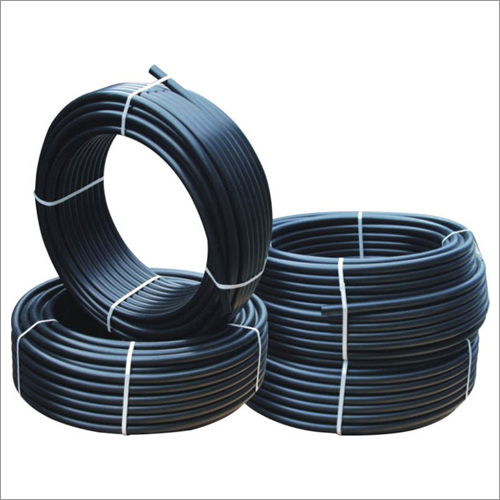
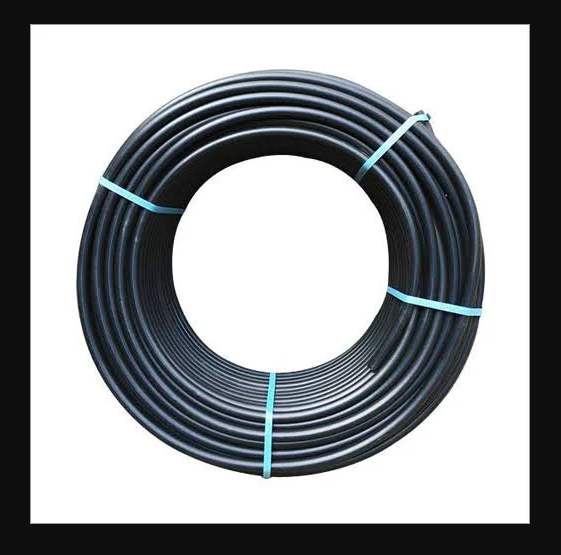
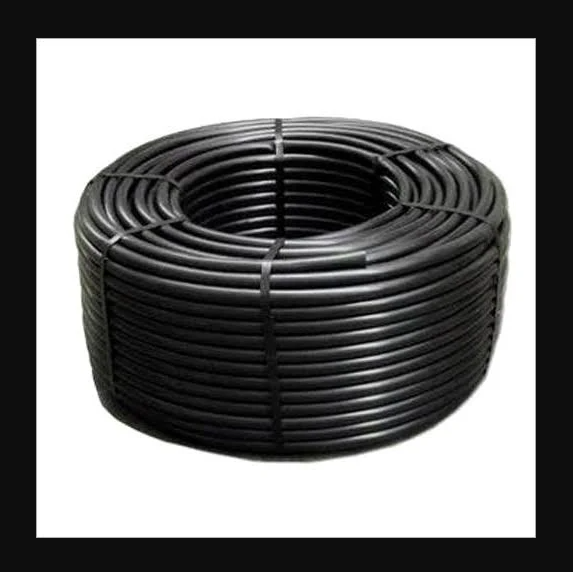
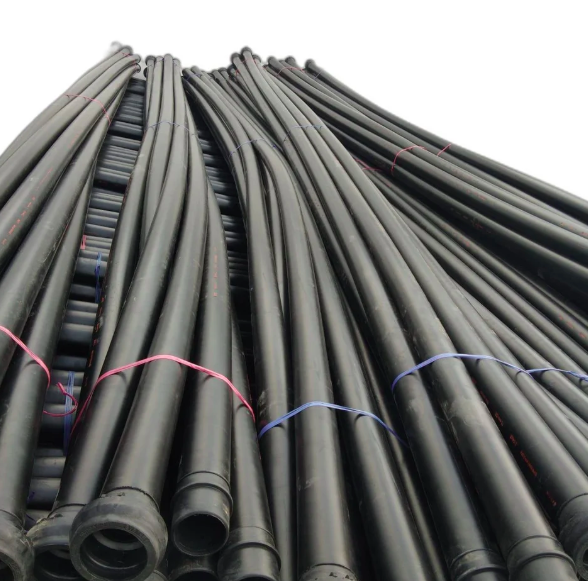
About HDPE Plastic Pipe
HDPE pipes are well-known for their advanced strength and durability. These are made to withstand harsh weather conditions as well as chemicals. Offered pipes are suited for various applications, including water supply, gas distribution and sewage systems. Supplied pipes are preferred for their lightweight, simple installation, and resistance to corrosion as well as abrasion. HDPE pipes are offered with long service life. These function as the cost-effective and dependable options for several projects. Supplied pipes are resistant to impact, making them appropriate for underground fixings.
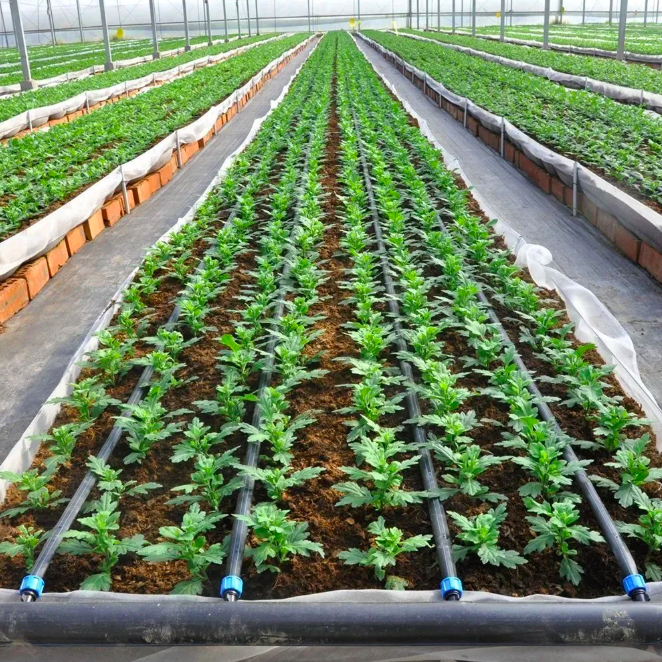
Superior Performance, Lasting DurabilityManufactured to rigorous standards, this HDPE plastic pipe boasts advanced resistance properties, including excellent chemical, corrosion, and UV resilience. Its unique blend of flexibility and tensile strength ensures reliable performance in demanding installations. Whether used in water distribution, irrigation, or drainage, the pipe stands up to heavy use and environmental challenges without compromising integrity.
Effortless Installation and Long-Term SavingsFeaturing a smooth internal and external surface, this pipe simplifies installation above or below ground. With lightweight construction and connection options like butt fusion and electrofusion, setup is quick and efficient. Over its 50-year lifespan, users benefit from low maintenance, reduced leakages, and consistent hydraulic performance-making it a cost-effective solution for any piping project.
FAQ's of HDPE Plastic Pipe:
Q: How is HDPE plastic pipe installed for different applications?
A: HDPE plastic pipe can be installed above or below ground using butt fusion, electrofusion, or mechanical joints. The flexibility and lightweight design make it easy to handle and position, while the smooth surface ensures quick connections for water supply, irrigation, industrial systems, sewage, and drainage projects.
Q: What benefits does HDPE pipe offer over traditional materials?
A: HDPE pipe provides significant advantages such as high durability, exceptional leak and corrosion resistance, extended 50-year lifespan, and UV stabilization. It is also chemical resistant, ensuring reliable performance in demanding environments where other materials might degrade.
Q: When should I choose HDPE pipes for my project?
A: HDPE pipes are ideal for projects that require resistance to chemicals, temperature fluctuations, and UV exposure. They are commonly selected for water supply, irrigation, industrial, sewage, and drainage systems when durability and a long service life are priorities.
Q: Where can HDPE plastic pipes be sourced in India?
A: HDPE plastic pipes are readily available in India through authorized dealers, exporters, manufacturers, suppliers, and wholesalers who provide products conforming to IS 4984:2016 / ISO 4427 standards.
Q: What is the process for joining HDPE pipes?
A: HDPE pipes can be joined using three main methods: butt fusion, which welds two pipe ends together; electrofusion, where an electrical current fuses pipe and fittings; and mechanical joints, which use compression or other fittings without heat. Each method ensures a leak-proof connection tailored to project needs.
Q: How does the smooth surface of HDPE pipe improve usage?
A: The smooth internal and external surfaces of HDPE pipes reduce friction losses, allowing for efficient hydraulic flow and minimizing clogging or sediment build-up. This feature supports consistent water supply and lower maintenance.





 Send Inquiry


 Send Inquiry
 Send Inquiry
 Send SMS