About Polyethylene Pipe
Polyethylene (PE) pipetypically High-Density Polyethylene (HDPE)is a highly flexible, durable, and corrosion-resistant piping widely used for water supply, agricultural irrigation, and sewage. Known for leak-proof fusion joints and longevity, it handles extreme ground movement and high-pressure fluid transfer with ease
Versatility and Reliability in Fluid TransportHDPE pipes are suitable for a spectrum of applications, including water supply, agriculture, irrigation, sewage, and gas distribution. Their adaptability to varying pressure needs and environmental conditions makes them a preferred choice for large and small-scale projects alike. The excellent flexibility and UV resistance allow safe installation both above and below ground, even in diverse climates.
Long-Lasting Performance and Low MaintenanceManufactured to IS 4984, ISO 4427, and DIN 8074 standards, these seamless pipes are designed for longevity, offering a usage life of over 50 years. Their inherent resistance to corrosion and chemicals reduces maintenance and replacement frequency, which translates into decreased operational costs for users. The high-quality surface finish and precise tolerances ensure consistent performance.
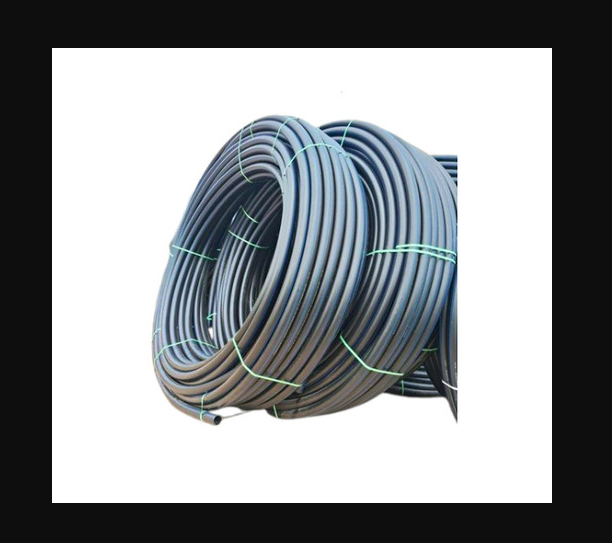
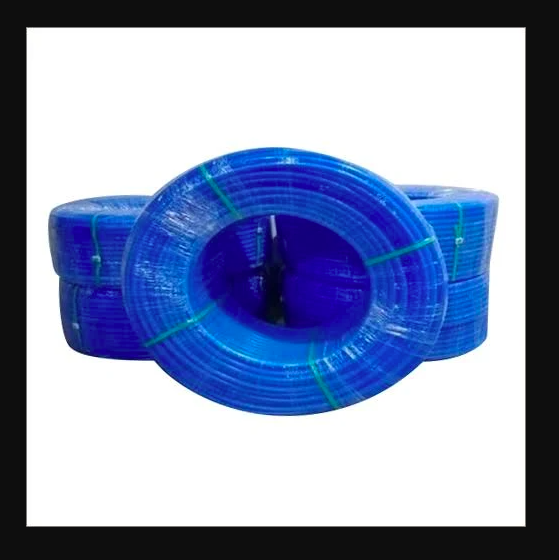
Easy Installation and Consistent ConnectionsHDPE pipes facilitate various installation methods, including socket, butt-welded, and compression fittings. The pipes come in coils up to 500 meters or straight lengths of 6 or 12 meters, streamlining logistics and handling. Electrofusion, butt fusion, or mechanical couplings are recommended jointing methods, guaranteeing leak-proof and efficient pipelines for demanding environments.
FAQ's of Polyethylene Pipe:
Q: How are HDPE pipes installed for different applications?
A: HDPE pipes can be installed using several methods: underground or above ground, depending on the application. For jointing, installers can choose from electrofusion, butt fusion, or mechanical couplings. The pipes are offered in either coils (up to 500m) or straight lengths (6m or 12m), accommodating various site requirements.
Q: What makes HDPE pipes suitable for high-pressure applications?
A: These pipes are manufactured with a pressure rating range of PN 2.5 to PN 16, providing solutions for low to high-pressure needs. Their seamless construction and strict adherence to IS 4984, ISO 4427, and DIN 8074 standards ensure they can withstand demanding pressures in water supply, gas distribution, and more.
Q: When should I choose HDPE pipes over other materials?
A: Choose HDPE pipes when you require long-term durability, excellent flexibility, UV and chemical resistance, and minimal maintenance. They are particularly advantageous in environments prone to corrosion, aggressive chemicals, or variable temperature conditions, from -40C to +80C.
Q: Where can HDPE pipes be used effectively?
A: HDPE pipes are ideal for use in agriculture, irrigation systems, potable water networks, gas distribution, and sewage systems. Their robust physical properties allow installation in both rural and urban environments, whether above or below ground.
Q: What is the process for joining HDPE pipes securely?
A: The three main joining methods for HDPE pipes are electrofusion, butt fusion, and mechanical couplings. Electrofusion and butt fusion create strong, homogenous joints, while mechanical couplings offer flexibility for faster repairs and installations. Proper technique ensures leak-proof, reliable connections.
Q: How long can I expect HDPE pipes to last in service?
A: HDPE pipes are engineered for a usage life of over 50 years under recommended operating conditions. Their resistance to corrosion, UV light, and chemicals significantly extends their longevity compared to traditional piping materials.
Q: What are the main benefits of using HDPE pipes in water supply and irrigation?
A: Benefits include high flexibility, seamless flow due to smooth internal surfaces, excellent chemical and corrosion resistance, and significant adaptability to different pressures and installation environments. These attributes contribute to efficient, low-maintenance water delivery systems.






 Send Inquiry


 Send Inquiry
 Send Inquiry
 Send SMS