About MDPE pipe
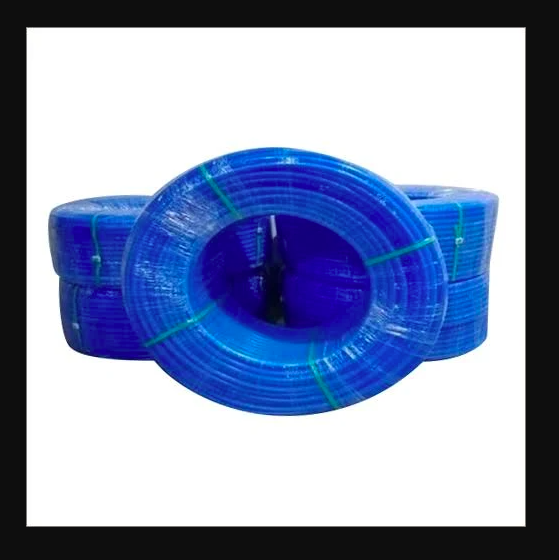
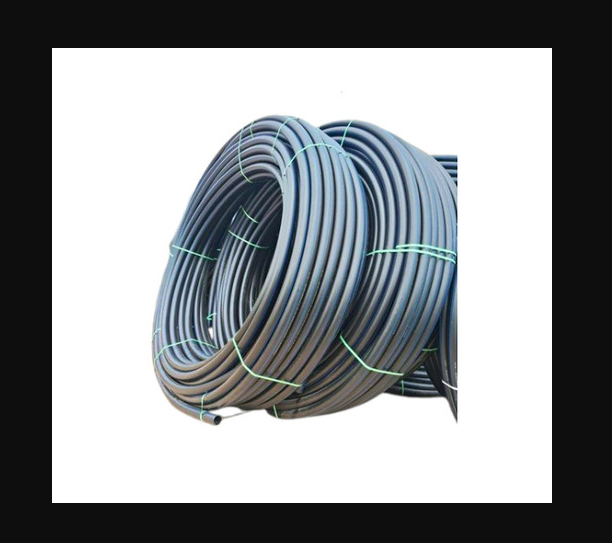
Medium Density Polyethylene (MDPE) pipes are durable, flexible, and corrosion-resistant plastic pipes primarily used for underground water supply networks and natural gas distribution. Because they are non-toxic and weather-proof, they are the industry standard for transporting drinking (potable) water safely
Exceptional Strength and LongevityMDPE pipes of grades PE80 and PE100 are designed to withstand demanding operating conditions, with a burst pressure of at least four times the working pressure. Their life expectancy exceeds 50 years under standard usage, making them a reliable choice for infrastructure projects requiring low maintenance.
Versatile ApplicationsThese pipes are suitable for a variety of uses, including water supply, gas distribution, and sewage conveyance. Their resistance to UV rays, corrosion, and chemicals further broadens their applicability in both above-ground and underground installations, ensuring consistent performance in diverse environments.
Flexible Sizes and Easy InstallationManufactured in diameters from 20mm to 315mm and available in custom lengths, MDPE pipes can meet project-specific demands. Connection options include butt welding or electrofusion, providing dependable joint integrity. The inclusion of plastic or rubber end protectors prevents damage during storage or transit.
FAQ's of MDPE pipe:
Q: How are MDPE pipes with grades PE80 and PE100 typically connected during installation?
A: MDPE pipes can be joined using butt welding or electrofusion techniques, both offering durable and leak-proof connections, ideal for water, gas, and sewage applications.
Q: What are the main benefits of using MDPE pipe for water supply or gas distribution?
A: The main advantages include excellent chemical and corrosion resistance, a long life expectancy of over 50 years, low friction loss due to the smooth inner wall, and UV stability, making them reliable in harsh environmental conditions.
Q: When should one choose MDPE pipes over other piping materials?
A: MDPE pipes are particularly suitable when corrosion resistance, flexibility, longevity, and tolerance to varying pressures and temperatures are required, especially in outdoor, underground, or chemically challenging environments.
Q: Where can these MDPE pipes be applied in infrastructure projects?
A: These pipes are used in water supply lines, gas distribution networks, sewage systems, and other fluid transport applications in both municipal and industrial projects.
Q: What is the typical process for installing MDPE pipes?
A: The installation process includes rolling out the pipe lengths, aligning and preparing the ends, followed by connecting sections via butt welding or electrofusion. End protectors are used to prevent contamination and damage before installation.
Q: How does the UV resistance property benefit MDPE pipe installations?
A: UV resistance allows MDPE pipes to be installed above ground without degradation from sunlight, extending their service life and reducing maintenance costs in exposed environments.





 Send Inquiry


 Send Inquiry
 Send Inquiry
 Send SMS