About Casing Pipe
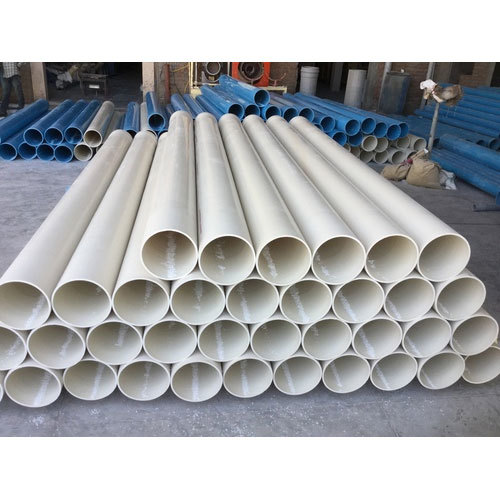
We are dealing in casing pipe, which is a large-diameter pipe that can be installed in a wellbore for advanced structural support. It is also used to protect the well from contamination, collapse and other sort of damage. The pipe is made of steel and can endure the pressure as well as weight of the surrounding soil & rock. Offered pipe can be utilized for various types of wells, such as oil well, geothermal wells, gas wells, and water wells. It can be simply installed during the process of drilling. Supplied pipe makes a secure and hard-wearing closure between the wellbore as well as surrounding formation.
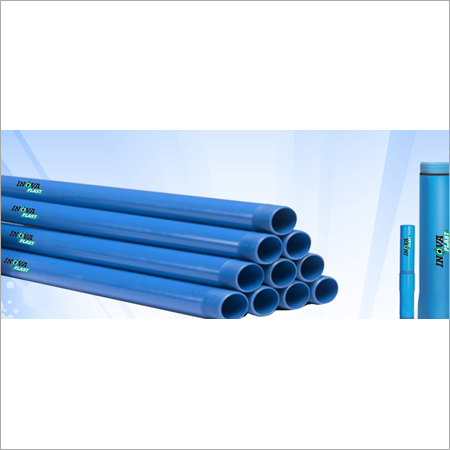
Exceptional Material and QualityManufactured using high quality UPVC, these casing pipes provide outstanding resilience against chemicals and corrosion, ensuring longevity even in harsh environments. Their pressure ratings (Class 1 and 2) suit a wide range of depths for borewell or agricultural use.
Effortless Installation and HandlingThanks to their lightweight construction and male-female threading, handling and installation are straightforward. Options for solvent cement joints ensure reliable connection as needed, while protective end caps safeguard the pipes during transport and setup.
Reliable Performance and ComplianceEngineered to meet IS:12818 and ASTM standards, these pipes offer dimensional accuracy, minimal friction loss due to their smooth finish, and UV stabilization for long-term outdoor exposure. Bundled packaging assures safe delivery to every site.
FAQs of Casing Pipe:
Q: How are UPVC casing pipes installed?
A: UPVC casing pipes are typically installed using male-female threaded joints, allowing for simple and secure connection. For enhanced sealing, solvent cement can be applied upon request. Their lightweight design streamlines the installation process, whether above or below ground.
Q: What benefits do UPVC casing pipes offer compared to metal pipes?
A: UPVC casing pipes are corrosion and chemical resistant, lightweight for easy handling, and highly durable with a life expectancy exceeding 50 years. Unlike metal pipes, they do not rust, are non-toxic, recyclable, and deliver smooth internal surfaces for reduced friction loss.
Q: When should I use slotted versus plain casing pipes?
A: Slotted casing pipes are used for water extraction applications like borewells and irrigation, where filtration is needed. Plain casing pipes suit cases requiring sturdy structure and coverage, such as water supply lines and protective enclosures.
Q: Where can these UPVC casing pipes be used?
A: These pipes are suitable for underground and above-ground installations across borewell, water extraction, irrigation, agriculture, and general water supply industries. Their UV stability and chemical resistance make them adaptable to diverse environments.
Q: What process ensures the safe delivery of casing pipes?
A: To ensure safety during transportation and handling, the pipes are bundled and wrapped, with end protectors provided to prevent damage. This packaging method helps maintain product integrity until installation at the site.
Q: How environmentally friendly are these casing pipes?
A: UPVC casing pipes are manufactured from non-toxic, recyclable materials, supporting eco-friendly practices with no risk of leaching harmful substances. Their long service life further reduces environmental impacts and resource consumption.
Q: What are the available specifications for diameter and length?
A: These casing pipes are offered in diameters ranging from 100 mm to 400 mm and thickness from 5 mm to 15 mm. Standard lengths include 3 meters and 6 meters, with custom lengths also available to suit specific project requirements.





 Send Inquiry


 Send Inquiry
 Send Inquiry
 Send SMS